Mark Lilla’s recent essay in the New York Times, titled “The End of Identity Liberalism,” continues a long tradition of blaming minorities and ostracized communities for the failures of American liberalism. Many people have pounced on the piece, and deservedly so; it traffics in tired accusations about the sensitivity of contemporary leftism its “omnipresent rhetoric of identity.” Critics are right to point out that the first, hardest, most brutal from of identity politics in the history of the country was and remains white supremacy. Indeed, if the recent election teaches us nothing it should teach us that white identity politics are alive and well.
The critique of identity politics also misses the fundamentally economic dimension of identity, and therefore fails to grasp the problem intersectionally. If Lilla is right about anything, he is right that voters felt alienated by the political discourse propounded by the Democratic Party. But I venture a guess that voters were less turned off by the focus on diversity than they were by the lip service paid to issues of economic justice. Voters angry about a recovery that wasn’t were perhaps more peeved at Clintonian Third Wayism and free trade policies than they were about preferred gender pronouns.
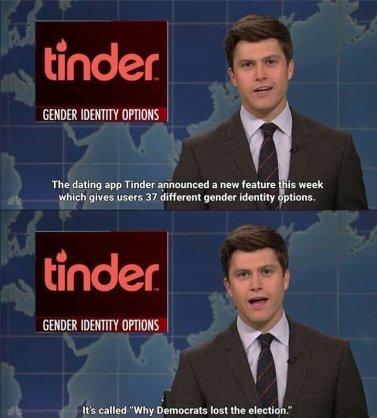
I don’t know many people who profess an “identity politics” that is divorced from issues of economic, environment, or redistributive justice. Groups agitating for prison reform, against DAPL, and for Black Lives do not dice their movements into a plethora of “diversity issues.” Instead, they understand their issues as interconnected and identify injustices stemming from common sources.
Lilla promotes a “post-identity liberalism” that “emphasize[s] that democracy is not only about rights; it also confers duties on its citizens, such as the duties to keep informed and vote.” I would argue that the nameless, faceless identity politics warriors that he vilifies are performing duties that are also essential for life in a democracy: standing up for human rights, promoting basic human dignity, and securing a better future for all of us. What could be more American than that?


Leave a Reply